

Words That Leave Marks
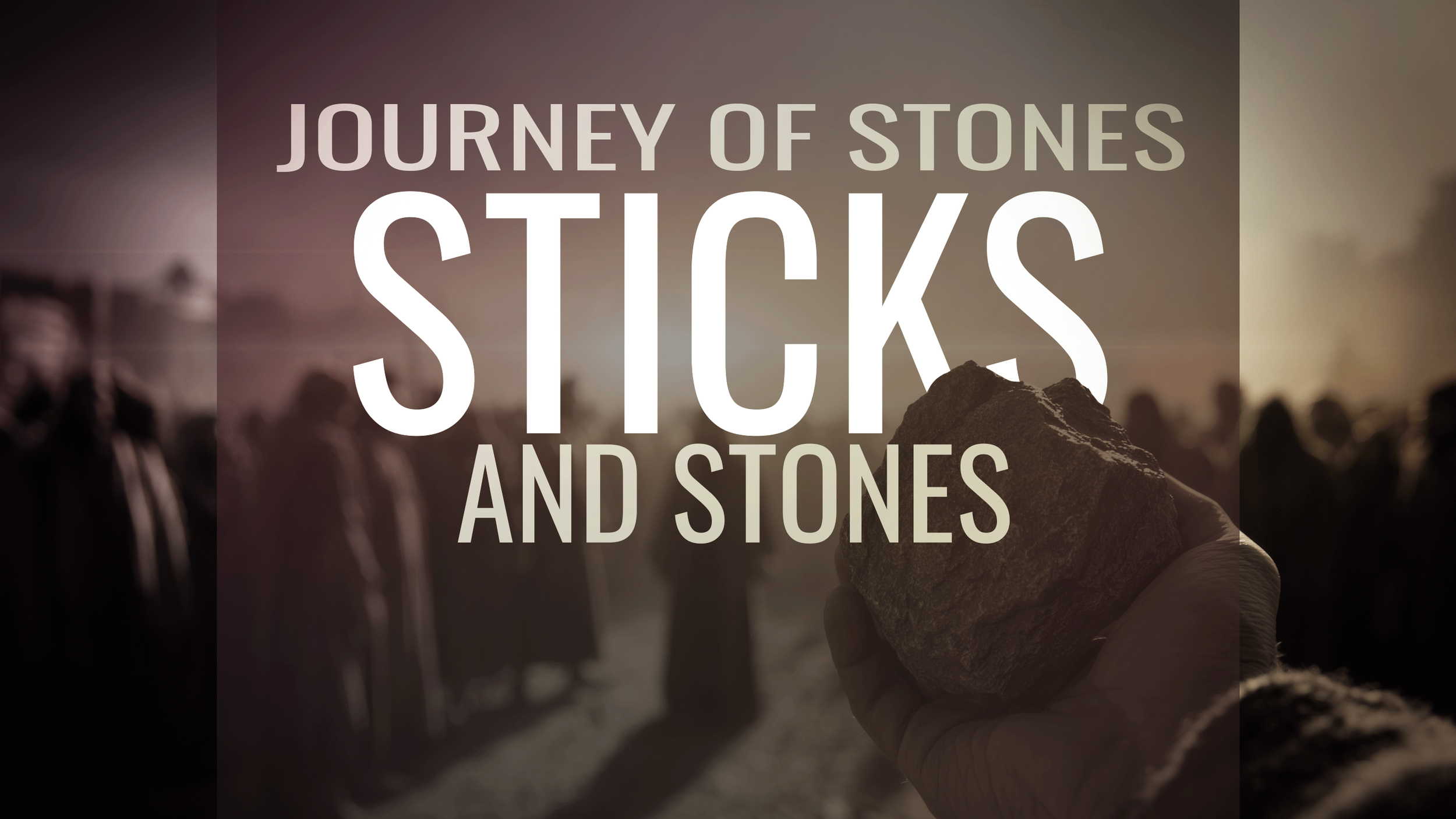
“Sticks and stones may break my bones, but words can never hurt me.”
Many of us learned this rhyme as children, but most of us know it simply is not true. Words can shape our lives for years. Hurtful comments can echo in our minds long after they are spoken, forming insecurities, shame, and wounds that do not easily fade.
Pastor Vicki shares how words spoken in childhood—about appearance, identity, or worth—can become the “tapes” people replay in their minds. Whether it comes from parents, spouses, classmates, or coworkers, words can build someone up or tear them down.
The truth is simple but sobering: words can wound deeply and last far longer than physical injuries.
A Woman Surrounded by Stones
In John 8:1–12, religious leaders bring a woman caught in adultery before Jesus in the temple courts. Their goal is not justice but humiliation. They label her, accuse her, and demand punishment according to the law.
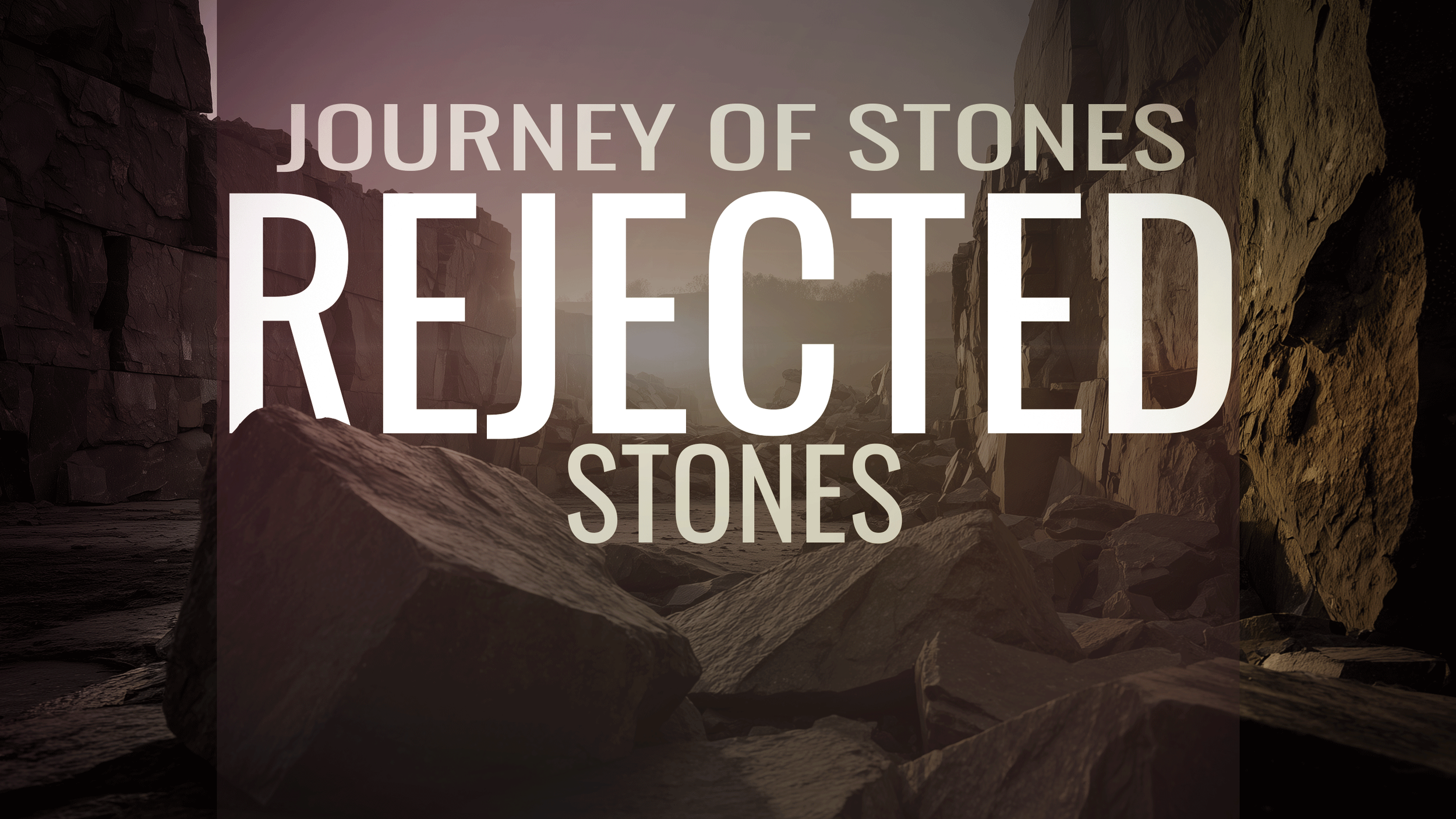
The crowd gathers, stones in hand.
But Jesus responds in a surprising way. Instead of joining the condemnation, he stoops down and writes in the dirt. When pressed for an answer, he stands and says:
“Let any one of you who is without sin be the first to throw a stone at her.”
One by one, the accusers walk away.
Jesus then turns to the woman and asks, “Has no one condemned you?”
“No one, sir,” she replies.
“Then neither do I condemn you. Go and sin no more.”
Jesus does not excuse the sin, but he refuses to participate in public humiliation. Compassion wins where judgment once ruled.
The Stones We Still Carry
It is easy to criticize the Pharisees in this story. Yet Pastor Vicki reminds us that we often act the same way today.
We separate ourselves from people whose mistakes seem worse than our own. We judge people who think differently, live differently, or struggle in ways we do not understand.
Sometimes our stones are not literal. They are:
Words of criticism
Attitudes of superiority
Quiet judgments in our hearts
But the result is the same. They divide people and distance us from the grace Christ offers.
Jesus calls us to something better.
The Courage to Drop the Stone
There is a powerful story of a church service commemorating the Emancipation Proclamation where Pastor Robert Schuller, overwhelmed by the pain and history of the congregation before him, began to weep. The host pastor placed an arm around him and said:
“No one weeps alone in this church.”
That is compassion. That is the gospel.
Jesus invites us to drop the stones we carry—stones of resentment, condemnation, bitterness, or pride. When we release them, we make space for grace to do what only God can do.
Living the Grace We Have Received
Lent is a season of reflection and repentance. It is an opportunity to examine our hearts and ask a hard question:
Who am I still holding a stone against?
Jesus calls us not only to receive grace but to extend it. The same mercy that rescued the woman in John 8 is offered to us—and through us—to others.
At New Hope, we believe disciples are called to Know Jesus, Grow Faith, and Go Multiply. Dropping our stones is part of that journey. When we choose compassion over condemnation, we become part of the multi-ethnic movement of disciples making disciples that God is building.
This week, spend time in prayer and ask God to reveal any stones you are holding.
Then, with courage and humility, drop them.
Listen to and subscribe to the audio-only podcast with your favorite podcasting app below.
Your giving is an act of worship. Your giving supports the mission and ministry of New Hope. We are changing lives, renewing the church, and transforming communities, here and abroad.
More Sermons in this Series
Other Sermons from Pastor Vicki
On Easter Sunday at New Hope Church, Pastor Vicki Harrison reminded us that the resurrection is not just a past event to celebrate once a year. Jesus is alive, the stone has been rolled away, and that living hope still brings forgiveness, freedom, and new life today.